Showing posts with label monuments. Show all posts
Monday, 25 April 2016
Sunday, 17 April 2016
Friday, 4 March 2016
Saturday, 23 January 2016
Friday, 8 January 2016
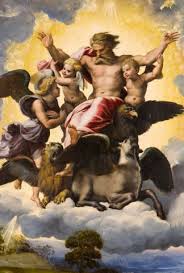
visita: Raffaello a Venaria
The exhibition of Raffaello's masterpieces in
Venaria Reale (Turin) shows the paintings and the works of the artist
which marked the main steps of his brilliant career- the people he
met (his father Giovanni Santi, Perugino, Pinturicchio, Luca
Signorelli , Leonardo and Michelangelo) and the different cities
where he lived.
Le opere di Raffaello a Venaria Reale (Torino) mostrano i capolavori dell'artista che segnarono le tappe fondamentali della sua prodigiosa carriera: le persone che incontrò (suo padre Giovanni Santi, il Perugino, il Pinturicchio, Luca Signorelli , Leonardo e Michelangelo) e le città dove visse .
Sunday, 13 December 2015
visita - il pane dei boia
Executioners once again...
The executioners inspired also the invention of pan carré....the bakers were quite disgusted to sell bread to executioners and showed their blame handing them out the loaves upside down. The hangmen were furious and wrote to Turin Major who proclaimed that the bakers had to give the bread on the right way. The bakers had an idea: they made a parallelepiped bread with four equal sides…….
Di nuovo i boia...che hanno ispirato anche i panettieri!
A Torino i panettieri erano disgustato dal fatto di vendere il pane ai boia. Dimostravano il loro dispregio porgendo loro le pagnotte al contrario. I boia si lamentarono con il sindaco che decretò che i panettieri dovevano porgere il pane nel senso giusto anche ai boia. I panettieri allora ebbero un'idea: fecero un pane a forma di parallelepipedo con tutti i lati uguali.......
Sunday, 15 November 2015
visita - the executioner and ....
Do
you remember? Piazza Statuto is the heart of black magic in Turin.
Why? Because it stands in the West where the sun sets, because in Roman Times it was a necropolis (vallis occisorum ), because it was the centre of the cloaca, because it was the door to the hell, because it was the place of the gallows and because it was the area where the executioners lived ...and the executioners were wealthy, frightening and influential people once.
Yes, in Via Bonelli, the executioner of Turin lived - and walked around wearing black suits and carrying a bag with his tools. He exhibited a sort of price list: every torture and death had its price! In Via Barbaroux, in the Church Della Misericordia there is still the document with the names of people executed, their black hoods, the little glass (bicchierino) for the last drink and a crucified Christ: here the convict was blessed and then buried.
And there is story about the hangmen ...
Vi ricordate Piazza Statuto? il cuore della magia nera di Torino. Perché? Perché il sole tramonta ad Ovest e la Pizza è a Ovest, perché era stata la necropoli ed era stato il posto della claoca ai tempi dei Romani, perché era la porta dell'inferno, perché un tempo c'era la forca e perché nei pressi abitavano i boia di Torino...e i boia erano ricchi, influenti e temuti.
Già, in Via Bonelli viveva il boia di Torino - vestito di nero, si dice che girasse con una borsa dei "ferri del mestiere" e un listino prezzi per ogni differente tipo di uccisione. Nella chiesa della Misericordia, in via Barbaroux,ci sono ancora il registro dei condannati, i cappucci neri,il "bicchierino"dell'ultimo sorso e il crocifisso ed è qui che venivano benedetti e sepolti i giustiziati.
Why? Because it stands in the West where the sun sets, because in Roman Times it was a necropolis (vallis occisorum ), because it was the centre of the cloaca, because it was the door to the hell, because it was the place of the gallows and because it was the area where the executioners lived ...and the executioners were wealthy, frightening and influential people once.
Yes, in Via Bonelli, the executioner of Turin lived - and walked around wearing black suits and carrying a bag with his tools. He exhibited a sort of price list: every torture and death had its price! In Via Barbaroux, in the Church Della Misericordia there is still the document with the names of people executed, their black hoods, the little glass (bicchierino) for the last drink and a crucified Christ: here the convict was blessed and then buried.
And there is story about the hangmen ...
Già, in Via Bonelli viveva il boia di Torino - vestito di nero, si dice che girasse con una borsa dei "ferri del mestiere" e un listino prezzi per ogni differente tipo di uccisione. Nella chiesa della Misericordia, in via Barbaroux,ci sono ancora il registro dei condannati, i cappucci neri,il "bicchierino"dell'ultimo sorso e il crocifisso ed è qui che venivano benedetti e sepolti i giustiziati.
E c'è una storia che riguarda i boia....
Wednesday, 7 October 2015
visita - from England with love
Emma Prevignano, a girl from Ivrea who is studying at Exeter University, has published her own "image" of Turin for the University Magazine Exeposé
Thank you Emma!!!
Around the world: The other Italy
Travel writer Emma Prevignano shares her secrets about the undiscovered gems of Italy.
![]() |
| Turin at night from Monte Cappuccini - image credit: wikimedia.org |
Torino - Almost at the opposite end [she is referring to Trieste] of the Northern part of the country is Torino. Its baroque and belle époque marvels had long remained hidden under the more recent industrial past, but in the past few years the first capital of Italy has been shining again. Among the highlights are the “Mole Antonelliana” (symbol of the city and location of the Cinema Museum), Palazzo Carignano (first seat of the Italian parliament), the Royal Palace and the second world best Egyptian Archaeology Museum. Between a museum and a historical building, make sure you take a break to walk along the Po river in the Valentino park and to sip a bicerin(glorious hot drink made with coffee, chocolate and cream) in one of the nineteenth-century cafés decorated with mirrors and crystal chandeliers.
http://exepose.com/2015/10/05/around-the-world-the-other-italy/
Emma Prevignano, una ragazza di Ivrea che sta studiando all'università di Exeter, ha scritto questa sua recensione su Torino nel giornale dell'università, Exeposé.
Torino - Quasi all'estremità opposta [di Trieste] nel nord Italia c'è Torino. Le sue bellezze che risalgono al Barocco e alla Belle époque sono state per lungo tempo nascoste dal più recente passato industriale, ma in questi ultimi anni la prima capitale d'Italia ha iniziato nuovamente a splendere. Tra le sue gemme si possono ammirare la Mole Antonelliana (simbolo della città e sede del Museo del Cinema), Palazzo Carignano (prima sede del parlamento Italiano), il Palazzo Reale e il Museo Egizio, secondo al mondo. E mentre si visita un museo e un monumento storico, si può fare una pausa e camminare lungo il Po nel Parco del Valentino e sorseggiare un bicerin (una famosa bevanda calda fatta con caffè, cioccolato e crema) in uno dei bar ottocenteschi decorati con cristalli e candelieri.
Go to our Catalogue for Ebooks and Stories
Wednesday, 23 September 2015
visita: Palazzo Reale
Il Palazzo Reale - The Royal Palace
At the entry to the Royal Palace, on the backs of two restless horses there are two characters Castor and Pollux, the inseparable brothers of Greek and Latin mythology. They are specular but not identical and once more represent the double – good and evil – co-existing in Turin. They are on horseback and Cavalry was the Corps that enjoyed especial prestige in the House of Savoy’s Army.
They were twin brothers, together known as the Dioskouri, sons of Leda and Zeus. According to some legends Castor was the mortal son of Tyndareus, the king of Sparta while Pollux was the divine son of Zeus, who seduced Leda in the guise of a swan. Though accounts of their birth are varied, they are sometimes said to have been born from an egg, along with their twin sisters and half-sisters Helen of Troy and Clytemnestra.
Go to our Catalogue for Ebooks and Stories
http://www.torinoinsolita.it/sito_torinoocculta/piazza_castello.php?sez=torinoocculta
http://www.comune.torino.it/quickesmart/?p=290
http://www.duepassinelmistero.com/Torino%20magica.htm
Go to our Catalogue for Ebooks and Stories
Due statue equestri sono all’ingresso del palazzo Reale a Torino. Sono Castore e Polluce gli inseparabili Dioscuri della mitologia greca e romana in groppa a irrequieti cavalli. Non sono identici e rappresentano ancora una volta il duplice volto di Torino. Il fatto che siano a cavallo potrebbe l’importanza della Cavalleria, arma che ebbe speciale prestigio nell’esercito sabaudo.
Secondo alcuni autori erano i figli gemelli di Zeus e di Leda, conosciuti soprattutto come i Diòscuri, ossia "figli di Zeus"; altri affermano che i due gemelli avrebbero avuto origine da Tindaro, re di Sparta, avendo come sorella Elena, oggetto della contesa a Troia. Infine alcune leggende sostengono che Castore fosse il mortale figlio di Tindaro, mentre Polluce fosse nato da Zeus che aveva sedotto Leda trasformandosi in un cigno.
Wednesday, 2 September 2015
visita: the Archaeological Museum in Turin

The Archaeological Museum of Turin dates back to the 16th century thanks to Emanulele Filiberto’s collections. The seat has changed during the centuries and the works of art have increased. In 1940 the collections were moved to the Greenhouses of Palazzo Reale where they are nowadays, However, a new location is going to be set up in the subterranean of the New Wing of Palazzo Reale.
Go to our Catalogue for Ebooks and Stories
http://museoarcheologico.piemonte.beniculturali.it/
Il museo risale alla metà del 1500 grazie alle raccolte di Emanuele Filiberto di Savoia. La sede delle collezioni e il numero delle opere sono variati nel corso dei secoli, Nel 1940, con la definitiva separazione dal Museo Egizio, nasce il nuovo Museo di Antichità, ora nelle Serre di palazzo Reale, ma prossimamente verranno allestite delle sale nel piano sotterraneo della Manica Nuova di Palazzo Reale.
Go to our Catalogue for Ebooks and Stories
Saturday, 29 August 2015
visita - Palazzo Chiablese
![]() |
| Palazzo Chiablese |
The Palazzo Chiablese is a wing of the Royal Palace in Piazza San Giovanni, Turin.
It was named after the Duke of Chablais, second son of King Carlo Emanuele III. During his reign various improvements to the interior of the palace (1753- 54) were carried out under the direction of Benedetto Alfieri, a popular Savoyard architect of the era.
The building was the seat of the provisional government of France during the Napoleonic occupation and it was the home of Camillo Borghese and his wife Pauline Bonaparte.
Later it saw the birth of Margherita of Savoy, daughter of the Duke of Genoa and later first Queen of Italy (wife of King Umberto I).
Bombed during World War II, the property passed to the State in the 1950s and it was then used as the Superintendence headquarters. Then it housed the pupils of the Istituto Nazionale per le Figlie dei Militari Italiani (National Institute for Italian Soldiers' Daughters). Until 1995 it was home to the city's cinema archive now it is a museum and a place for concerts and exhibitions.
http://www.poloreale.beniculturali.it/index.php/it/il-complesso/palazzo-chiablese
Go to our Catalogue for Ebooks and Stories
![]() |
| Interior |
Palazzo Chiablese si trova a sinistra del Palazzo Reale, con l'entrata principale in Piazza S. Giovanni.
Risale al XVI secolo, fatto costruire dal duca di Savoia Emanuele Filiberto su nuclei abitativi preesistenti, l’ architetto Benedetto Alfieri nel 1753-54 diede unità architettonica al palazzo per ordine di Carlo Emanuele III che lo donò al secondogenito Benedetto Maurizio, Duca del Chiablese da cui prese il nome. Durante il periodo di occupazione francese di Torino fu abitato da Camillo Borghese e sua moglie Paolina. Con la Restaurazione, divenne residenza del re Carlo Felice, di Ferdinando duca di Genova, secondogenito di Carlo Alberto, e nel 1851 vi nacque Margherita, prima regina d’Italia (moglie di Re Umberto I) dal 1878 al 1900.
Bombardato durante la seconda guerra mondiale, passo poi al Demanio (1946), è stato dapprima sede dell'Archivio del Cinema ed ora ospita la Direzione Regionale per i Beni Culturali e Paesaggistici del Piemonte ed è sede di mostre d’arte.
Go to our Catalogue for Ebooks and Stories
Sunday, 23 August 2015
visita- Palazzo Reale a Torino
The Royal Palace of Turin was the centre of the House of Savoy's
political affairs for three centuries. Built in the 16th century,
was later modernized by the Baroque architect Filippo Juvarra under
Christine Marie of France (1606–63). The palace also includes the
Palazzo Chiablese and the Chapel of the Holy Shroud. In 1946 it was made
into a museum and has been one of the thirteen residence of the
House of Savoy on the UNESCO World Heritage Site list since 1997.
http://www.ilpalazzorealeditorino.it/
http://www.ilpalazzorealeditorino.it/Eventi/Eventi-del-Palazzo%20Reale%20di%20Torino.asp?Sez=3&id=84&read=1&disp=1&id_a=84
http://www.comune.torino.it/musei/elenco/reale.shtml
Il
Palazzo reale di Torino fu il centro della politica della Casa Savoia
per tre secoli. Costruito nel 1500 fu poi modernizzato
dall’ architetto Filippo Juvarra durante il periodo di Cristina Maria di Francia (1606-63) nel secolo 17°.
Il palazzo include
Palazzo Chiablese e la Cappella della Santa Sindone. Nel 1946 divenne
un museo ed è parte del Patrimonio dell’Umanità dell’UNESCO dal
1997 insieme con altri 13 palazzi della Casa Savoia.
Go to our Catalogue for Ebooks and Stories
Wednesday, 19 August 2015
visita- Enrica Pagella and the Polo Reale in Turin

A very important news: Enrica Pagella was appointed yesterday director of the Polo Museale in Turin. Enrica Pagella was born in Ivrea. After a degree in Art History at Turin University and a master in Artistic and Environmental Heritage at Milan University, has been the director of Palazzo Madama and Borgo Medievale in Turin since 2003. Before, from 1988 to 1999 directed the Art Museum in Modena. She has taught in various universities and has published remarkable books included Van Eyck, Antonello Leonardo. Tre capolavori del Rinascimento and two volumes about art in Piedmont.
The Polo Reale in Turin include the main museums and palaces in the city: Palazzo Reale, l'Armeria Reale, la nuova Galleria Sabauda, il Museo Archeologico and Palazzo Chiablese.
http://www.lastampa.it/2015/08/18/cronaca/enrica-pagella-nuovo-direttore-polo-reale-MLPhtHeb3l2t37VbTyV09I/pagina.html
http://torino.repubblica.it/cronaca/2015/08/18/news/beni_culturali_enrica_pagella_nuovo_direttore_del_polo_reale-121167791/
C'è una grossa novità a Torino: Enrica Pagella sarà il nuovo direttore del Polo Reale di Torino. Nata a Ivrea, si è laureata in Storia dell'Arte all'Università di Torino, studi poi approfonditi con un dottorato di ricerca a Milano su Beni Culturale ed Ambientali. Dal 1988 al 1999 è stata direttrice del Museo d'Arte di Modena e dal 2003 dirige Palazzo Madama e il Borgo Medievale di Torino. Ha insegnato in varie università e ha scritto molte importanti pubblicazioni tra cui Van Eyck, Antonello Leonardo. Tre capolavori del Rinascimento e due volumi sull'arte in piemonte.
Il Polo Reale di Torino riunisce i palazzi e i musei più importanti di torino: Palazzo reale, l'Armeria Reale, la nuova Galleria Sabauda, il Museo Archeologico e Palazzo Chiablese.
Wednesday, 12 August 2015
visita - the museum of oriental art
After two Japanese rock gardens at the entrance, the three floors of the museum house collections from Gandhara, India and Southeast Asia, from China, from Buddhist and Tibetan culture, from Islamic countries like Turkey, Iran, Iraq , from the Arabian Peninsula and statues, paintings, lacquers from.
http://www.maotorino.it/
https://www.facebook.com/pages/MAO-Museo-dArte-Orientale/34503163094
http://www.comune.torino.it/musei/elenco/mao.shtml
Il museo di arte orientale di Torino è situato a Palazzo Mazzonis ed è stato aperto il 5 dicembre 2008. E' uno dei maggiori musei di arte orientale in Italia e, nei suoi tre piani di esposizione, mostra reperti provenienti da tutta l'Asia - dall'India, dal sud-est asiatico, Cina, Tibet, Turchia, Iran , Iraq, Penisola Arabica e dal Giappone. All'entrata si possono ammirare i giardini rocciosi giapponesi.
Sunday, 9 August 2015
visita - la galleria subalpina
Go to our Catalogue for Ebooks and Stories
http://www.museotorino.it/view/s/31f9901aed2e41b4bc6c32613e3949d9
La galleria subalpina: progettata da Piero carrera nel 1873 è una zona famosa per lo shopping torinese. E' situata tra Piazza Castello (dove si erge Palazzo Madama) e Piazza Carlo Alberto (sede della Libreria Nazionale)
Go to our Catalogue for Ebooks and Stories
Wednesday, 8 July 2015
visita: Time Table - a tavola a Palazzo Madama
![]() |
| The Exhibition |
The ritual of eating in company has a great symbolic value. The word conviviality comes from cum vivere, living together and sharing moments of life. The exhibition in Turin - Palazzo Madama - underlines and evokes the idea of the time and space of sharing represented in the western countries by a laid table. There are six main tables on which are shown objects designed and created by artists and craftsmen from the Middle Ages to the 20th century - from the simple sgraffito-works bowls, to the Venician glasses, from the majolica to the sophisticated porcellains. They are arranged in a circle as to represent the hands of a gigantic clock.
(from the exhibition brochure).
http://www.palazzomadamatorino.it/cat.php?cat=Il+palazzo+ed+il+museo
Go to our Catalogue for Ebooks and Stories

Il rito della tavola ha un valore fortemente simbolico. Convivio deriva dal latino cum vivere, cioè vivere insieme, condividere momenti. La mostra di Torino – Palazzo Madama – sottolinea ed evoca proprio questo aspetto: il tempo e lo spazio della condivisione che, nelle civiltà occidentali, viene rappresentato dalla tavola imbandita. Il percorso si articola in sei tavoli principali che descrivono le nostre tavole dal Medioevo al Novecento attraverso oggetti di ceramica, vetro, maioliche e anche plastica. Il tutto è disposto intorno ad un fulcro centrale come se si trattasse di un grande orologio.
(dalla brochure della mostra)
http://www.palazzomadamatorino.it/cat.php?cat=Il+palazzo+ed+il+museo
Go to our Catalogue for Ebooks and Stories
Sunday, 5 July 2015
visita: San Lorenzo
![]() |
| San Lorenzo - the dome |
San Lorenzo was the first church which hosted the Sacra Sindone (Holy Shroud) in Turin when Duke Emanuele Filiberto took it from Chambery in 1578. San Lorenzo was built by abbot Guarino Guarini and then restored by Emanuele Filiberto who named it San Lorenzo because of a vow made during a battle won in Fiandre on the 10th August. The church is in Piazza Castello near Palazzo Madama and Palazzo Real. Inside there are numerous precious works of art and interesting stimuli for people who love mystery. The architect seems to have hidden messages in the forms, in the colours and in the numbers which decorate the building, symbols that accompany men to reach the Absolute. Angels look at the visitor together with menacing and devilish faces as to show that good can't exist without evil as light can't exist without darkness. On the spring and Autumn equinoxes a ray enters from the dome and strikes the porthole of the first chapel near the altar showing a fresco of God which otherwise would be invisible in the darkness.
http://eng.sanlorenzo.torino.it/
http://www.visitatorino.com/en/church_of_san_lorenzo.htm
Go to our Catalogue for Ebooks and Stories
![]() |
| San Lorenzo - esterno |
La Real Chiesa di S.Lorenzo a Torino fu la prima chiesa che ospitò la Sindone quando il duca Emanuele Filiberto di Savoia la fece portare nel 1578 dal castello di Chambery, dove si trovava dal 1453. La chiesa fu costruita dall'abate teatino Guarino Guarini, e fu poi restaurata grazie all'interesse del duca Emanuele Filiberto che la intitolò a San Lorenzo, per un voto fatto nelle Fiandre durante una battaglia vinta il 10 agosto 1557. Situata in Piazza Castello, vicino a Palazzo Reale e a Palazzo Madama la chiesa è chiusa tra edifici e non dà l'idea di essere un luogo di culto, ma all'interno offre opere d'arte di un certo pregio e stimoli interessanti, per gli amanti del mistero. Il progettista sembra che abbia volutamente creato un complesso insieme di contrasti apparenti, di messaggi insiti nelle forme, nei colori, nei numeri, per un percorso verso 'Assoluto : centinaia di figure angeliche (oltre 400) guardano da affreschi e sculture, mentre sulla cupola ci sono volti minacciosi e diabolici. Forse l'architetto volle indicare che non c'è luce senza tenebra, non c' è bene senza male. Inoltre durante il giorno dell'Equinozio di Primavera e d'Autunno, avviene un fenomeno sorprendente: il raggio che entra a mezzogiorno dalla cupola va a colpire l'oblò della prima cappella accanto all'altare e illumina un affresco di Dio Padre che altrimenti sarebbe completamente buio e invisibile!
http://www.tripadvisor.it/Attraction_Review-g187855-d595928-Reviews-Real_Chiesa_di_San_Lorenzo-Turin_Province_of_Turin_Piedmont.html
Go to our Catalogue for Ebooks and Stories
Wednesday, 24 June 2015
visita: La Tesoriera
![]() |
| La Tesoriera |
La Tesoriera hides some mysteries and once was called The Garden of the Devil: a ghost wearing a black cloak with red hedge wanders in the nearby country at night and a young woman has been seen walking through the ancient, elegant halls of the palace for 20 years.
Go to our Catalogue for Ebooks and Stories
![]() |
| La Tesoriera |
La Tesoriera nasconde dei segreti ed è stata associata alla figura del diavolo, tanto che il parco della villa fu chiamato I Giardin del Diav: il fantasma di un cavaliere solitario in un mantello nero bordato di rosso esce dalla villa nella notte e vaga per la campagna circostante, e una giovane ragazza si aggira per le antiche sale.
Go to our Catalogue for Ebooks and Stories
Subscribe to:
Posts (Atom)


