Showing posts with label torino. Show all posts
Sunday, 17 April 2016
Friday, 4 March 2016
Sunday, 21 February 2016
visita - a life on poits
Susanna
Egri, known dancer, was born on 18th February 1926. She was the daughter of a famous
Torino football trainer died at Superga crash. After spending a period in France and Hungary, where she danced with the main ballet companies, she moved to Turin in
1949 and started working as a dancer for the first TV programmes. In
1953 she founded a school dance and, in 1999, the Egri foundation for
dance.
Susanna Egri, famosa ballerina classica, è nata a Torino il 18 febbraio 1926. Figlia di un noto allenatore della squadra del Torino che morì nell'incidente di Superga, dapprima ha ballato con le compagnie Francesi ed Ungheresi e poi si è trasferita a Torino. In quegli anni ha preso parte alle prime trasmissioni televisive, nel 1953 ha fondato la sua scuola di danza e nel 1999 la Fondazione Egri per la Danza
Friday, 8 January 2016
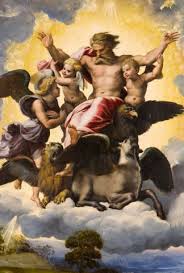
visita: Raffaello a Venaria
The exhibition of Raffaello's masterpieces in
Venaria Reale (Turin) shows the paintings and the works of the artist
which marked the main steps of his brilliant career- the people he
met (his father Giovanni Santi, Perugino, Pinturicchio, Luca
Signorelli , Leonardo and Michelangelo) and the different cities
where he lived.
Le opere di Raffaello a Venaria Reale (Torino) mostrano i capolavori dell'artista che segnarono le tappe fondamentali della sua prodigiosa carriera: le persone che incontrò (suo padre Giovanni Santi, il Perugino, il Pinturicchio, Luca Signorelli , Leonardo e Michelangelo) e le città dove visse .
Sunday, 22 November 2015
visita: hangmen and idioms
Many idioms date back to the Napoleonic period. Until 1863, the convicted were hanged in a square called Rondò della Forca (Circle of the Gallows); others were guillotined in Piazza Carlina (Carlina Square) - ironically called “Place de la Liberté” (Freedom Square), whereas in Piazza Castello (Castle Square ) and in Piazza San Carlo (Saint Charles Square) they were burnt at the stake or dismembered.The population hated the executioners as they were very well paid to kill. So they started swearing using the expression boia faus, in English damned hangman
Nel periodo Napoleonici al “Rondò della Forca”
fino al 1863 si tenevano le pubbliche impiccagioni; in piazza
Carlina, allora ironicamente “Place de la Liberté”, c’era
ghigliottina, nelle piazze San Carlo e Castello c’erano i roghi e
gli squartamenti. I boia erano mal visti dalla popolazione per il
loro mestiere e perché per uccidere, erano pure ben pagati. Da lì
il detto boia faus, o boia falso.
Sunday, 15 November 2015
visita - the executioner and ....
Do
you remember? Piazza Statuto is the heart of black magic in Turin.
Why? Because it stands in the West where the sun sets, because in Roman Times it was a necropolis (vallis occisorum ), because it was the centre of the cloaca, because it was the door to the hell, because it was the place of the gallows and because it was the area where the executioners lived ...and the executioners were wealthy, frightening and influential people once.
Yes, in Via Bonelli, the executioner of Turin lived - and walked around wearing black suits and carrying a bag with his tools. He exhibited a sort of price list: every torture and death had its price! In Via Barbaroux, in the Church Della Misericordia there is still the document with the names of people executed, their black hoods, the little glass (bicchierino) for the last drink and a crucified Christ: here the convict was blessed and then buried.
And there is story about the hangmen ...
Vi ricordate Piazza Statuto? il cuore della magia nera di Torino. Perché? Perché il sole tramonta ad Ovest e la Pizza è a Ovest, perché era stata la necropoli ed era stato il posto della claoca ai tempi dei Romani, perché era la porta dell'inferno, perché un tempo c'era la forca e perché nei pressi abitavano i boia di Torino...e i boia erano ricchi, influenti e temuti.
Già, in Via Bonelli viveva il boia di Torino - vestito di nero, si dice che girasse con una borsa dei "ferri del mestiere" e un listino prezzi per ogni differente tipo di uccisione. Nella chiesa della Misericordia, in via Barbaroux,ci sono ancora il registro dei condannati, i cappucci neri,il "bicchierino"dell'ultimo sorso e il crocifisso ed è qui che venivano benedetti e sepolti i giustiziati.
Why? Because it stands in the West where the sun sets, because in Roman Times it was a necropolis (vallis occisorum ), because it was the centre of the cloaca, because it was the door to the hell, because it was the place of the gallows and because it was the area where the executioners lived ...and the executioners were wealthy, frightening and influential people once.
Yes, in Via Bonelli, the executioner of Turin lived - and walked around wearing black suits and carrying a bag with his tools. He exhibited a sort of price list: every torture and death had its price! In Via Barbaroux, in the Church Della Misericordia there is still the document with the names of people executed, their black hoods, the little glass (bicchierino) for the last drink and a crucified Christ: here the convict was blessed and then buried.
And there is story about the hangmen ...
Già, in Via Bonelli viveva il boia di Torino - vestito di nero, si dice che girasse con una borsa dei "ferri del mestiere" e un listino prezzi per ogni differente tipo di uccisione. Nella chiesa della Misericordia, in via Barbaroux,ci sono ancora il registro dei condannati, i cappucci neri,il "bicchierino"dell'ultimo sorso e il crocifisso ed è qui che venivano benedetti e sepolti i giustiziati.
E c'è una storia che riguarda i boia....
Saturday, 24 October 2015
visita - danzare a Torino
Loredana Furno is an Italian ballerina and choreographer. Born in Turin, she studied architecture for two years and then started dancing under Susanna Egri. After a beginning as a soloist in numerous shows under Susanna Egri, she joined the corps de ballet of La Scala and toured through Europe. In 1964 she became the prima ballerina at Teatro Regio in Turin. In 1977 Furno founded her own company, Teatro de Torino, staging new works as well as the classics.
http://www.noidonne.org/blog.php?ID=00197
http://www.dancehallnews.it/loredana-furno-la-signora-della-danza-torinese-si-racconta-tra-passato-e-presente/
Loredana Furno è una ballerina Italiana, nata a Torino, che dopo avere studiato per due anni architettura si è dedicata totalmente alla danza. Dapprima come solista sotto la guida di Susanna Egri, Loredana Furno si unì al balletto della Scala di Milano e girò i palcoscenici europei. Nel 1964 divenne prima ballerina del Teatro Regio di Torino e nel 1977 ha fondato la sua compagnia Teatro di Torino in cui insegna non solo danza classica., ma moderna e contemporanea
Monday, 12 October 2015
visita - Camera, centre of Photography

Camera
, Centro Italiano per la Fotografia was opened on the 1st
October 2015 in Via delle Rosine, 18, in Turin centre. It is a
project for promoting the Italian photographic heritage, exchanges and research.
Director of the project and of Magnum Photos is Lorenza Bravetta
Go to our Catalogue for Ebooks and Stories
http://www.arteconomy24.ilsole24ore.com/art/cultura-tempo-libero/2014-03-31/nasce-torino-camera-centro-173324.php?refresh_ce=1
http://smargiassi-michele.blogautore.repubblica.it/
Fotocrazia
Fotocrazia
http://camera.to/
Camera Centro Italiano per la fotografia è stato aperto in Via delle Rosine, 18 a Torino – E’ un progetto che promuove il tesoro fotografico italiano e gli scambi tra paesi
Direttore del progetto e dell'agenzia Magnum è Lorenza Bravetta
Go to our Catalogue for Ebooks and Stories
Sunday, 27 September 2015
visita - UNESCO centre in Turin
The UNESCO Centre in Turin has published a
Guidebook to the World Heritage Sites in Italy and China.
https://www.facebook.com/centrounescotorino
Go to our Catalogue for Ebooks and Stories
Wednesday, 9 September 2015
visita - Torino è casa mia

Only who was born in Turin can say Turin is my house. In this book Giuseppe Culicchia presents his mysterious city to some friends. He introduces Turin as he should introduce someone into his own home, a place with memories and stories. Room after room – starting from the station of Porta Nuova, the entrance - he reveals the past, the people and the events of Turin, a place very special and almost unknown to most people.
http://www.letteratura.rai.it/articoli/giuseppe-culicchia-torino-%C3%A8-casa-mia/16282/default.aspx
Go to our Catalogue for Ebooks and Stories

Solo chi è nato a Torino può dire Torino è casa mia. In questo libro Giuseppe Culicchia presenta la sua misteriosa città come se facesse entrare nella sua casa un gruppo di amici. Un luogo fatto di storie e di ricordi. Stanza dopo stanza – partendo dalla stazione di Porta Nuova, l’ingresso - racconta storie, eventi e personaggi di Torino, un luogo molto speciale ma sconosciuto ai più.
http://www.letteratura.rai.it/articoli/giuseppe-culicchia-torino-%C3%A8-casa-mia/16282/default.aspx
Go to our Catalogue for Ebooks and Stories
Sunday, 6 September 2015
visita: Torino è casa mia
http://youtu.be/6rX5GLNXsU8

Trailer of Giuseppe Culicchia's book Torino è casa mia created by Andrea Iadarola and Filippo, Favaro, students from Liceo Scientifico A. Gramsci, Ivrea. It was presented at the second edition of L'Antonello, award for the best book trailer at the Salone del Libro in Turin.
http://youtu.be/6rX5GLNXsU8

Trailer del libro di Giuseppe Culicchia Torino è Casa Mia realizzato dagli studenti del Liceo Gramsci di Ivrea Andrea Iadarola e Filippo Favaro e presentato alla seconda edizione del premio L'Antonello per il miglior booktrailer al Salone del Libro di Torino.

Trailer of Giuseppe Culicchia's book Torino è casa mia created by Andrea Iadarola and Filippo, Favaro, students from Liceo Scientifico A. Gramsci, Ivrea. It was presented at the second edition of L'Antonello, award for the best book trailer at the Salone del Libro in Turin.
http://youtu.be/6rX5GLNXsU8

Trailer del libro di Giuseppe Culicchia Torino è Casa Mia realizzato dagli studenti del Liceo Gramsci di Ivrea Andrea Iadarola e Filippo Favaro e presentato alla seconda edizione del premio L'Antonello per il miglior booktrailer al Salone del Libro di Torino.
Wednesday, 2 September 2015
visita: the Archaeological Museum in Turin

The Archaeological Museum of Turin dates back to the 16th century thanks to Emanulele Filiberto’s collections. The seat has changed during the centuries and the works of art have increased. In 1940 the collections were moved to the Greenhouses of Palazzo Reale where they are nowadays, However, a new location is going to be set up in the subterranean of the New Wing of Palazzo Reale.
Go to our Catalogue for Ebooks and Stories
http://museoarcheologico.piemonte.beniculturali.it/
Il museo risale alla metà del 1500 grazie alle raccolte di Emanuele Filiberto di Savoia. La sede delle collezioni e il numero delle opere sono variati nel corso dei secoli, Nel 1940, con la definitiva separazione dal Museo Egizio, nasce il nuovo Museo di Antichità, ora nelle Serre di palazzo Reale, ma prossimamente verranno allestite delle sale nel piano sotterraneo della Manica Nuova di Palazzo Reale.
Go to our Catalogue for Ebooks and Stories
Saturday, 29 August 2015
visita - Palazzo Chiablese
![]() |
| Palazzo Chiablese |
The Palazzo Chiablese is a wing of the Royal Palace in Piazza San Giovanni, Turin.
It was named after the Duke of Chablais, second son of King Carlo Emanuele III. During his reign various improvements to the interior of the palace (1753- 54) were carried out under the direction of Benedetto Alfieri, a popular Savoyard architect of the era.
The building was the seat of the provisional government of France during the Napoleonic occupation and it was the home of Camillo Borghese and his wife Pauline Bonaparte.
Later it saw the birth of Margherita of Savoy, daughter of the Duke of Genoa and later first Queen of Italy (wife of King Umberto I).
Bombed during World War II, the property passed to the State in the 1950s and it was then used as the Superintendence headquarters. Then it housed the pupils of the Istituto Nazionale per le Figlie dei Militari Italiani (National Institute for Italian Soldiers' Daughters). Until 1995 it was home to the city's cinema archive now it is a museum and a place for concerts and exhibitions.
http://www.poloreale.beniculturali.it/index.php/it/il-complesso/palazzo-chiablese
Go to our Catalogue for Ebooks and Stories
![]() |
| Interior |
Palazzo Chiablese si trova a sinistra del Palazzo Reale, con l'entrata principale in Piazza S. Giovanni.
Risale al XVI secolo, fatto costruire dal duca di Savoia Emanuele Filiberto su nuclei abitativi preesistenti, l’ architetto Benedetto Alfieri nel 1753-54 diede unità architettonica al palazzo per ordine di Carlo Emanuele III che lo donò al secondogenito Benedetto Maurizio, Duca del Chiablese da cui prese il nome. Durante il periodo di occupazione francese di Torino fu abitato da Camillo Borghese e sua moglie Paolina. Con la Restaurazione, divenne residenza del re Carlo Felice, di Ferdinando duca di Genova, secondogenito di Carlo Alberto, e nel 1851 vi nacque Margherita, prima regina d’Italia (moglie di Re Umberto I) dal 1878 al 1900.
Bombardato durante la seconda guerra mondiale, passo poi al Demanio (1946), è stato dapprima sede dell'Archivio del Cinema ed ora ospita la Direzione Regionale per i Beni Culturali e Paesaggistici del Piemonte ed è sede di mostre d’arte.
Go to our Catalogue for Ebooks and Stories
Sunday, 23 August 2015
visita- Palazzo Reale a Torino
The Royal Palace of Turin was the centre of the House of Savoy's
political affairs for three centuries. Built in the 16th century,
was later modernized by the Baroque architect Filippo Juvarra under
Christine Marie of France (1606–63). The palace also includes the
Palazzo Chiablese and the Chapel of the Holy Shroud. In 1946 it was made
into a museum and has been one of the thirteen residence of the
House of Savoy on the UNESCO World Heritage Site list since 1997.
http://www.ilpalazzorealeditorino.it/
http://www.ilpalazzorealeditorino.it/Eventi/Eventi-del-Palazzo%20Reale%20di%20Torino.asp?Sez=3&id=84&read=1&disp=1&id_a=84
http://www.comune.torino.it/musei/elenco/reale.shtml
Il
Palazzo reale di Torino fu il centro della politica della Casa Savoia
per tre secoli. Costruito nel 1500 fu poi modernizzato
dall’ architetto Filippo Juvarra durante il periodo di Cristina Maria di Francia (1606-63) nel secolo 17°.
Il palazzo include
Palazzo Chiablese e la Cappella della Santa Sindone. Nel 1946 divenne
un museo ed è parte del Patrimonio dell’Umanità dell’UNESCO dal
1997 insieme con altri 13 palazzi della Casa Savoia.
Go to our Catalogue for Ebooks and Stories
Sunday, 16 August 2015
visita - Margherita Oggero: detective stories in Turin
![]() |
| Margherita Oggero |
Margherita Oggero was born in 1940. She is very popular for her detective stories set in Turin and featuring Camilla Baudino, a teacher of Italian literature who has a passion for crime and investigation. The first book of the series was La collega Tatuata, (The Tattooed Colleague) published in 2002 followed by Una piccola bestia ferita L'amica americana, Così parlò il nano da giardino and Un colpo all'altezza del cuore. The novels have been adapted for the TV series Provaci ancora prof (Try again, teacher) starring Veronica Pivetti. Other works include Qualcosa da tenere per sé, Orgoglio di classe. Piccolo manuale di autostima per la scuola italiana e chi la frequenta, Il rosso attira lo sguardo. Quattro stagioni di relazioni pericolose, Torino, l'ora blu, Risveglio a Parigi and La ragazza di fronte.
In 2011 she published her first detective story for children L'amico di Mizù - Mizù’s friend.
http://blog.librimondadori.it/blogs/segretissimo/tag/margherita-oggero/
http://lalettricerampante.blogspot.it/2015/06/incontrando-margherita-oggero.html
Margherita Oggero è una scrittrice di Torino, classe 1940, famosa per le storie gialle ambientate nella sua città natale. La protagonista è Camilla Baudino, insegnante di lettere italiane con una passione per il crimine e le indagini. Il primo libro delle serie è stato La collega Tatuata seguito da Una piccola bestia ferita L'amica americana, Così parlò il nano da giardino e Un colpo all'altezza del cuore. I romanzi sono stati adattati per la televisione nelle serie Provaci ancora Prof, interpretata da Veronica Pivetti.
Altri testi della stessa autrice sono Qualcosa da tenere per sé, Orgoglio di classe. Piccolo manuale di autostima per la scuola italiana e chi la frequenta, Il rosso attira lo sguardo. Quattro stagioni di relazioni pericolose, Torino, l'ora blu, Risveglio a Parigi e La ragazza di fronte. Nel 2011 è uscito il suo primo giallo per bambini, L'Amico di Mizù.
Wednesday, 12 August 2015
visita - the museum of oriental art
After two Japanese rock gardens at the entrance, the three floors of the museum house collections from Gandhara, India and Southeast Asia, from China, from Buddhist and Tibetan culture, from Islamic countries like Turkey, Iran, Iraq , from the Arabian Peninsula and statues, paintings, lacquers from.
http://www.maotorino.it/
https://www.facebook.com/pages/MAO-Museo-dArte-Orientale/34503163094
http://www.comune.torino.it/musei/elenco/mao.shtml
Il museo di arte orientale di Torino è situato a Palazzo Mazzonis ed è stato aperto il 5 dicembre 2008. E' uno dei maggiori musei di arte orientale in Italia e, nei suoi tre piani di esposizione, mostra reperti provenienti da tutta l'Asia - dall'India, dal sud-est asiatico, Cina, Tibet, Turchia, Iran , Iraq, Penisola Arabica e dal Giappone. All'entrata si possono ammirare i giardini rocciosi giapponesi.
Sunday, 9 August 2015
visita - la galleria subalpina
Go to our Catalogue for Ebooks and Stories
http://www.museotorino.it/view/s/31f9901aed2e41b4bc6c32613e3949d9
La galleria subalpina: progettata da Piero carrera nel 1873 è una zona famosa per lo shopping torinese. E' situata tra Piazza Castello (dove si erge Palazzo Madama) e Piazza Carlo Alberto (sede della Libreria Nazionale)
Go to our Catalogue for Ebooks and Stories
Sunday, 19 July 2015
visita - the grolla
The grolla, also called 'cup of friendship', is a typical object of the Aosta Valley handicraft and it is used to share warm drinks with friends - usually coffee spiked with grappa. It is a covered wooden cup, often carved, with several spouts which are used to drink "à la ronde" that is passing the cup from hand to hand, never putting it down until it is empty. It was initially used as a daily wooden bowl.
The word “grolla” is related etymologically to “grail,” and is believed to have been inspired by the Holy Grail itself.
http://www.yndella.com/it-it/grolla-valdostana-coppa-dellamicizia_c2.aspx
http://www.agrodolce.it/2013/11/08/grolla-o-coppa-dellamicizia/
Go to our Catalogue for Ebooks and Stories
La grolla, o Coppa dell'Amicizia, è un oggetto tipico dell'artigianato valdostano ed è usato per condividere con amici bevande calde - solitamente caffè con grappa. E' un tazzone coperto, di legno, spesso istoriato, con parecchi beccucci da cui appunto si beve passando la coppa di mano in mano finchè non è finita. Inizialmente era una coppa usata quotidianamente. Il suo nome deriva probabilemnte da Grail e si riferisce al Sacro Graal
Subscribe to:
Posts (Atom)